


Learned a lot in this trip
Alex - United States


Pakse is often seen as a transit city in southern Laos, but spend a little time here, and you’ll quickly realize it’s much more than that. Set at the meeting point of the Mekong and Xe Don rivers, Pakse is the natural gateway to some of the most impressive landscapes in southern Laos.
The Laos Travel Guides brings together the must-see attractions in and around Pakse, helping you shape a rewarding route through southern Laos to follow classic Laos tours, choose flexible Laos tour packages, or plan your own adventure with Asia Tour Deals.
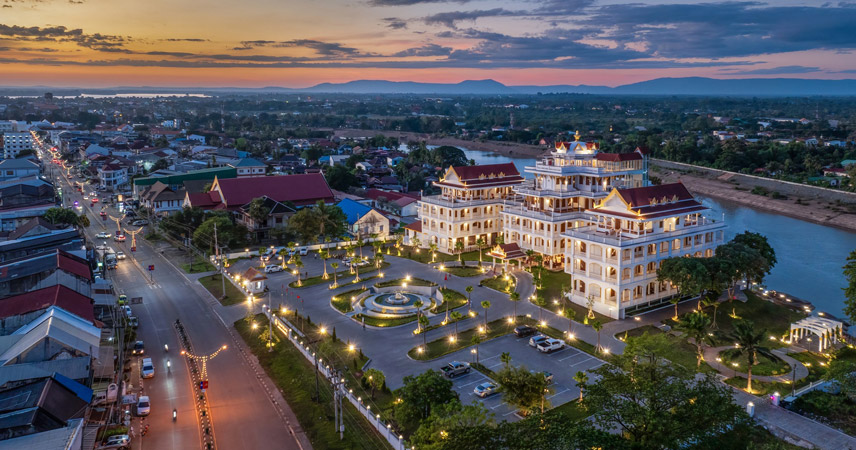
Pakse, Laos, seen from above
Pakse is a vibrant city located in Champasak Province, in the heart of southern Laos. Sitting at the confluence of the Mekong River and Xe Don River, Pakse serves as the main transportation and tourism hub of the southern places to visit in Laos, connecting travelers to waterfalls, plateaus, temples, and the famous 4,000 Islands area.
Pakse, Laos, lies near the borders of Thailand and Cambodia, making it a key stop on many cross-border routes and multi-country itineraries. Thanks to its strategic location, Pakse is often the first stop for travelers exploring southern Laos by flight, bus, or overland from neighboring countries.
Unlike smaller towns, Pakse offers a full range of services, accommodations, and tour options while still maintaining a relaxed Lao atmosphere. From here, travelers can easily reach the Bolaven Plateau, ancient Khmer temples like Wat Phou, and river islands along the Mekong. Because of this, Pakse has grown into a well-known Pakse destination for both short visits and longer southern Laos.
Pakse, Laos, has a tropical climate with three main seasons. The best time to visit Pakse is from November to February, when the weather is cooler and drier, making sightseeing and day trips comfortable. From March to April, temperatures rise, while the rainy season (May to September) brings lush landscapes and powerful waterfalls.
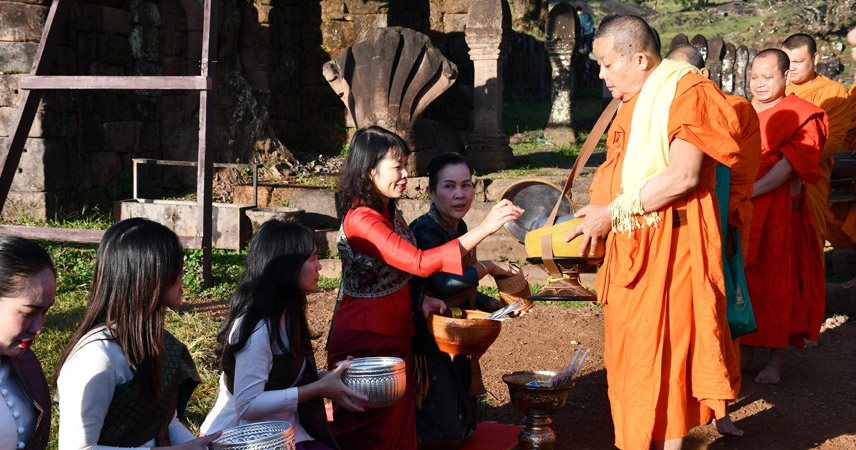
Tak Bat ceremony in Pakse, Laos
Compared to Luang Prabang, Pakse feels less touristy and more local, with fewer crowds and a stronger focus on nature-based travel. Unlike Vientiane, which is more administrative and urban, Pakse is adventure-oriented and serves as a launch point for exploring the countryside. This balance makes Pakse an ideal destination for travelers who want authentic experiences without sacrificing comfort or accessibility.
Wat Phou is the most iconic attraction near Pakse and a must-see for anyone interested in history and culture. This ancient Khmer temple complex dates back to the 5th century and is dramatically set at the foot of Mount Phou Khao, overlooking the Mekong River. Walking up the stone pathways, visitors pass through ruined sanctuaries, sacred water sources, and ceremonial platforms that reflect the site’s strong spiritual significance.
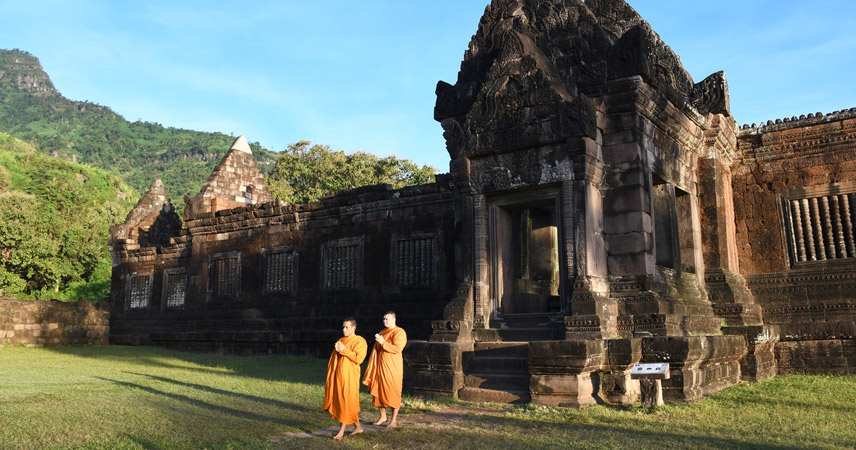
Discover Wat Phou
The Bolaven Plateau is one of the highlights of Pakse travel, famous for its cooler climate, fertile volcanic soil, and rolling landscapes covered with coffee plantations.
This region is the heart of Laos’ coffee production, and visitors can stop at local farms to see how Arabica and Robusta beans are grown, processed, and roasted. Many coffee farms welcome travelers for short visits or tastings, often free of charge or for a small fee of USD 1-3. Most travelers explore the Bolaven Plateau as a day trip or overnight loop by motorbike or car, combining coffee stops with nearby waterfalls.
Among the many waterfalls on the Bolaven Plateau, Tad Fane and Tad Yuang are the most famous and easiest to visit from Pakse.
Tad Fane Waterfall is the most dramatic, featuring two parallel streams plunging over 120 meters into a deep jungle gorge. Visitors view the waterfall from a designated platform near the entrance, as access to the base is not permitted for safety reasons. The entrance fee is usually around LAK 15,000-20,000, and the site is open daily from 08:00 to 17:00.
Unlike Tad Fane, visitors can walk down to the base of the falls, making it popular for photography and cooling off on hot days. The entrance fee is similar, around LAK 10,000-20,000, with opening hours generally from 08:00 to 17:00.
Together, Tad Fane and Tad Yuang showcase the natural beauty of southern Laos and are among the top attractions to explore in Pakse, especially for travelers combining waterfalls, coffee culture, and countryside scenery in one trip.
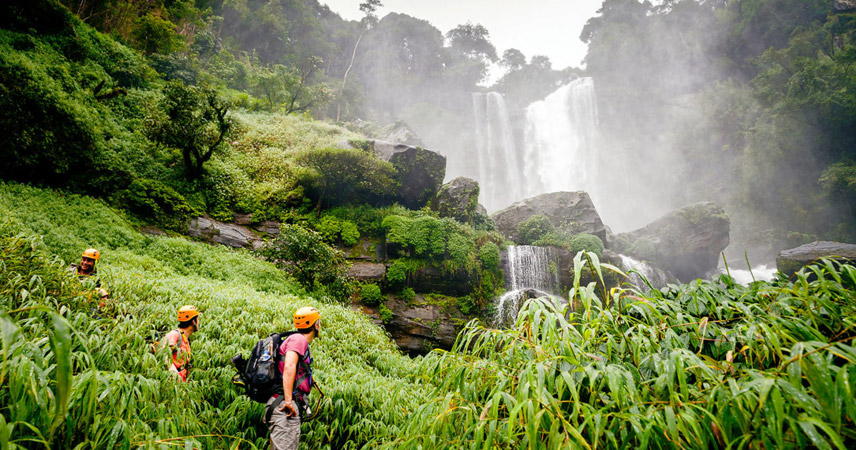
Explore Tad Fane and Tad Yuang Waterfalls
Dao Heuang Market is the largest local market in Pakse, Laos, and a perfect place to experience everyday life in southern Laos. The market is packed with stalls selling fresh vegetables, spices, meat, clothing, and street food, making it lively and colorful throughout the morning.
There is no entrance fee, and the market is open daily from early morning until late afternoon. The best time to visit is before 10:00 AM, when vendors are most active and food stalls are at their busiest.
Located across the Mekong River from Pakse, Champasak Town offers a slower, more traditional atmosphere. This small riverside town is known for its colonial-era buildings, wooden Lao houses, and peaceful streets, making it a pleasant place for a relaxed walk or bike ride.
There is no entrance fee, and the town can be explored at any time of day. Many visitors combine a trip to Champasak with a visit to Wat Phou, as the town is the closest base to the temple complex. Sunset along the Mekong is especially beautiful here.
For travelers seeking nature and off-the-beaten-path experiences, Xe Pian National Protected Area is one of the best places to explore near Pakse. This vast protected forest is home to wetlands, dense jungle, and diverse wildlife, offering opportunities for guided trekking, birdwatching, and village visits.
Entrance fees and activity costs vary depending on the tour or local guide, and visits are best planned during daylight hours. Hiring a local guide is strongly recommended, as the area is remote and less developed than other attractions around Pakse.
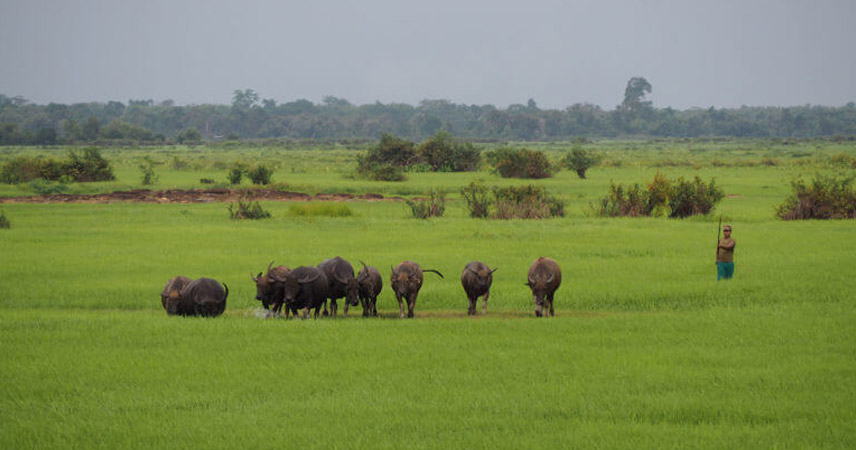
Xe Pian National Protected Area
Pakse may look quiet at first glance, but spend a little time here and you’ll quickly realize how much there is to do.
One of the most rewarding things to do in Pakse, Laos, is a visit to Wat Phou, the most important historical site in southern Laos. Located about 45 km south of Pakse, this ancient Khmer temple complex dates back to the 5th century and is older than Angkor Wat.
The site is built along the slope of Mount Phou Kao, with stone pathways, sacred ponds, and shrine ruins leading up toward the mountain. From the upper levels, visitors enjoy panoramic views over the Mekong plains. The entrance fee is around LAK 50,000, and the site is open daily from 08:00 to 17:00. Early morning or late afternoon visits are best to avoid heat and crowds.
Taking time to explore Pakse, Laos, itself is an underrated but enjoyable experience. The city sits at the confluence of the Mekong and Xe Don rivers, and daily life moves at a calm, unhurried pace. Walking or cycling along the river in the late afternoon is a great way to see local fishermen, monks, and families gathering as the sun sets.
Downtown Pakse is compact and easy to explore on foot, with local markets, temples, and cafés scattered throughout the area. This is also the best place to experience everyday Lao culture, from morning alms to evening street food stalls.
For adventurous travelers, riding the Bolaven Plateau Loop is one of the best things to do in Pakse, Laos. This popular motorbike route takes you through coffee plantations, ethnic villages, waterfalls, and cool highland scenery.
Motorbike rentals in Pakse typically cost USD 8-12 per day, and the loop can be done in 1-3 days depending on your pace. Roads are mostly paved, but some rural sections can be rough, especially during the rainy season. Even travelers who don’t want to self-drive can join guided tours or hire a car with a driver.
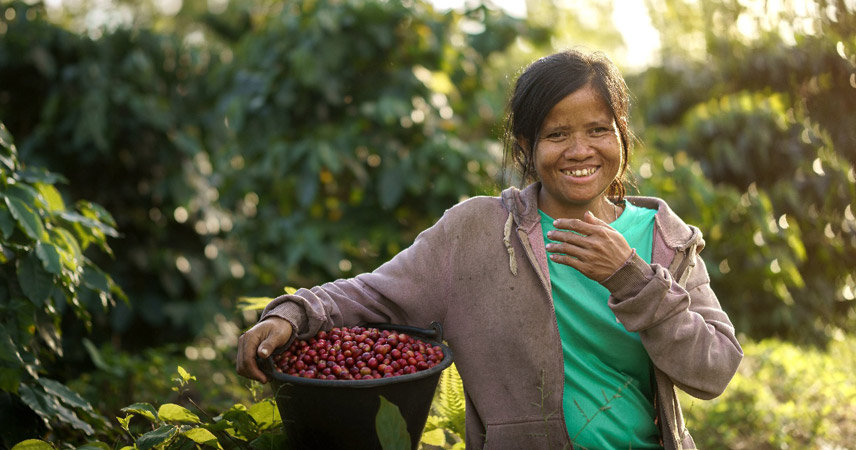
This popular motorbike route takes you through coffee plantations
Sunset in Pakse is simple but memorable. As the day cools down, locals gather along the Mekong riverbank, and the sky slowly turns orange and purple behind the bridge. Several riverside bars and cafés offer relaxed seating, cold Beerlao, and unobstructed views.
This is one of the most peaceful experiences in Pakse, Laos, and requires no planning or cost, making it perfect after a day of sightseeing.
No Pakse travel experience is complete without visiting the local markets. Dao Heuang Market, the largest in southern Laos, is a lively place to see fresh produce, spices, grilled meats, and regional specialties.
Food lovers should try southern Lao dishes such as spicy papaya salad, grilled river fish, sticky rice, and local coffee from the Bolaven Plateau. Meals at local restaurants usually cost USD 2-5, making Pakse an affordable destination for all types of travelers.
One-day tours are ideal for travelers with limited time or those adding Pakse as a short stop in their Laos itinerary. These Pakse Tour Packages usually focus on highlights close to the city, making travel easy and relaxed.
A Pakse city tour typically includes visits to local markets, riverside areas along the Mekong and Xe Don, and important temples such as Wat Luang. For nature lovers, waterfall tours to Tad Fane or Tad Yuang on the Bolaven Plateau are a popular choice, offering fresh air, cool temperatures, and impressive scenery in just half a day.
Some 1-day Pakse Tour Packages also include a short Mekong river trip, perfect for travelers who want a peaceful experience watching daily life along the river without committing to a longer cruise.
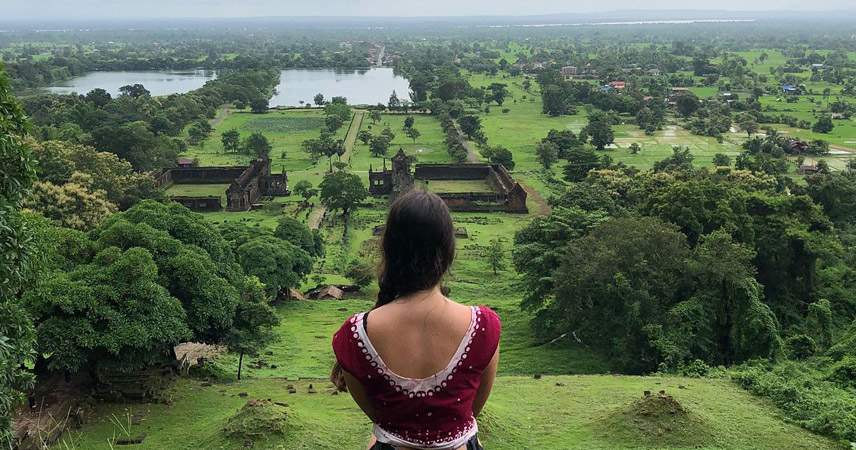
Explore Pakse Tour
For a deeper experience, Pakse Tour Packages lasting 3 to 4 days are the most balanced option. These itineraries combine nature, culture, and local life at a comfortable pace.
A common route includes Pakse and the Bolaven Plateau, where travelers explore coffee plantations, visit ethnic villages, and discover multiple waterfalls spread across the highlands. Many tours also include a cultural excursion to Wat Phou - Champasak, one of the most important UNESCO-listed sites in southern Laos.
Longer Pakse Tours are designed for travelers who enjoy slow travel and nature-focused journeys. These itineraries often combine Pakse with southern Laos highlights, especially the famous 4000 Islands (Si Phan Don) region.
A typical 5-7 day tour allows time for Mekong river exploration, island hopping, waterfall visits near the Cambodian border, and relaxed evenings in riverside villages. This type of Pakse Tour is ideal for couples, photographers, and travelers seeking a quieter, more immersive experience in Southern Laos.
Pakse, which means “the mouth of the Se River”, is exactly where the Xe Don meets the mighty Mekong, a natural gateway that has shaped the city’s role for centuries. More than just a geographical point, Pakse stands as the southern gateway of Laos, connecting rivers, cultures, and journeys across the region.
If you’re ready to experience Pakse, Laos, in a seamless and well-planned way, we are here to help. Explore our Pakse Tour Packages, discover more Laos itineraries, and start planning your Southern Laos journey today!
See more travel blogs and Laos itineraries on Asia Tour Deals to continue your adventure.
Pakse is located in Champasak Province in southern Laos, at the point where the Xe Don River flows into the Mekong River. This strategic location has made Pakse an important trading and transport hub for centuries. Today, it serves as the main gateway to Southern Laos, connecting travelers to the Bolaven Plateau, Wat Phou, Champasak, and the 4000 Islands.
The name Pakse comes from the Lao words “Pak,” meaning river mouth, and “Se,” referring to the Xe Don River. Together, Pakse means “the mouth of the Se River.” The name reflects the city’s geography and its historical role as a meeting point of waterways, cultures, and trade routes.
Pakse is worth visiting if you prefer nature, space, and a slower pace over crowded tourist towns. While Luang Prabang is known for temples and Vientiane for urban life, Pakse stands out for waterfalls, coffee highlands, river scenery, and access to rural Southern Laos. It offers a more local and less commercial travel experience.
Two to three days are enough to explore Pakse town, visit Wat Phou, and take a short trip to the Bolaven Plateau. If you plan to explore multiple waterfalls, coffee plantations, or combine Pakse with the 4000 Islands, four to five days is ideal.
The best time to visit Pakse is from November to February, when the weather is cooler, drier, and more comfortable for sightseeing. March and April can be very hot, while the rainy season from May to September brings lush landscapes and powerful waterfalls but occasional travel delays.
Yes, Pakse is generally more affordable. Accommodation, food, transportation, and tours tend to cost less than in Luang Prabang. This makes Pakse a good choice for travelers looking for value without sacrificing quality experiences.
Key attractions include Wat Phou, a UNESCO World Heritage Site, the Bolaven Plateau with its coffee farms and waterfalls, and riverside areas along the Mekong. Many travelers also use Pakse as a base to visit Champasak and the 4000 Islands further south.
Yes, many travelers rent motorbikes or cars to explore the Bolaven Plateau on their own. However, guided tours are recommended if you are unfamiliar with local roads or want deeper insight into coffee culture, ethnic villages, and waterfall history.
Pakse is considered very safe, with a relaxed atmosphere and low crime rates. Travelers should take normal precautions, such as watching personal belongings and being cautious when riding motorbikes, especially outside the city.
Pakse can be reached by domestic flights from Vientiane, by long-distance bus from central or southern Laos, or by land from Thailand and Cambodia via nearby border crossings. Pakse International Airport also connects the city with some regional destinations.
Yes, Pakse is suitable for first-time visitors, especially those interested in nature and culture rather than nightlife. The city is easy to navigate, locals are friendly, and tours are readily available to nearby attractions.
Pakse offers a mix of traditional Lao dishes and simple international food. Local specialties include grilled Mekong fish, laap, sticky rice, Lao khao soi, and fresh coffee from the Bolaven Plateau. Street markets and small family-run restaurants provide the most authentic meals.
Pakse offers a wide range of accommodation, from budget guesthouses and mid-range hotels to a few boutique and riverside stays. Prices are reasonable, and many hotels cater specifically to travelers exploring Southern Laos.
Yes, Pakse fits easily into longer Laos itineraries. It is commonly combined with Champasak, the Bolaven Plateau, and the 4000 Islands, and can also link to central or northern Laos via domestic flights or buses.
During peak season from November to February, it’s best to book Pakse tours and accommodation in advance to secure availability. In the low season, last-minute booking is often possible, but options may be more limited in remote areas.

Pakse, Bolaven Plateau, Wat Phou, Don Khong, 4000 Islands
TAXES INCL/PERS

Pakse, Wat Phou, Don Daeng, Bolaven Plateau, 4000 Islands
TAXES INCL/PERS

Luang Prabang, Pakou Caves, Kuang Si Waterfalls, Vientiane, Bolaven Plateau, Wat Phou, Don Khong, 4000 Islands, Pakse
TAXES INCL/PERS

Vientiane, Vang Vieng, Phonsavan, Luang Prabang, Pakou Caves, Kuang Si Waterfall, Bolaven Plateau, Wat Phou, Khong Island, Pakse
TAXES INCL/PERS

Pakse, Ban Nong Luang, Paksong, Sekong, Attapeu, Don Khong, 4000 Islands
TAXES INCL/PERS

Luang Prabang, Pakou Caves, Kuang Si Waterfall, Vang Vieng, Vientiane, Bolaven Plateau, Wat Phou, Don Khong, 4000 Islands, Pakse
TAXES INCL/PERS

Ho Chi Minh City, Cu Chi Tunnels, Ben Tre, Danang, Hoi An, Hue, Hanoi, Halong Bay, Luang Prabang, Pakou Caves, Kuang Si Falls, Vang Vieng, Vientiane, Pakse, 4000 Islands
TAXES INCL/PERS

Pakse, Don Khong, Phou Asa, Saravanh, Bolaven Plateau, Tadlo, Vientiane, Luang Prabang, Pakou Caves
TAXES INCL/PERS

Luang Prabang, Pakou Caves, Kuang Si Waterfall, Vientiane, Champasak, Huei Thamo, Khong Island, Pakse
TAXES INCL/PERS

Bangkok, Kanchanaburi, Sukhothai, Chiang Mai, Chiang Rai, Chiang Khong, Pakbeng, Luang Prabang, Vang Vieng, Vientiane, Bolaven Plateau, Pakse, 4000 Islands, Siem Reap, Tonle Sap, Phnom Penh
TAXES INCL/PERS

Luang Prabang, Pakou Caves, Kuang Si Falls, Phonsavan, Plain of Jars, Vientiane, Pakse, Bolaven Plateau, Wat Phou, Don Khong, 4000 Islands
TAXES INCL/PERS

Vientiane, Kong Lor Cave, Thakhek, Pakse, Wat Phou, 4000 Islands, Don Khong, Bolaven Plateau
TAXES INCL/PERS

Pakse, Wat Phou, 4000 Islands, Vientiane, Oudomxay, Nong Khiaw, Luang Prabang, Kuang Si Falls
TAXES INCL/PERS

Pakse, Bolaven Plateau, Wat Phou Temple, Ban Kiat Ngong, Don Khone, 4000 Islands
TAXES INCL/PERS

Vientiane, Pakse, Bolaven Plateau, Wat Phou, Don Khong, 4000 Islands, Luang Prabang, Kuang Si Falls, Pakou Caves
TAXES INCL/PERS

Luang Prabang, Pakbeng, Huay Xai, Nam Ha NPA, Luang Nam Tha, Phongsaly, Muang Khua, Nong Khiaw, Phonsavan, Vang Vieng, Vientiane, Pakse, 4000 Islands
TAXES INCL/PERS

Vientiane, Phou Hin Poun National, Kong Lor Cave, Phou Hin Poun NPA, Savannakhet, Bolaven Plateau, Wat Phou, Don Khone, 4000 Islands, Pakse
TAXES INCL/PERS

Ho Chi Minh City, Mekong Delta, Cai Be, Tan Phong Islet, Vinh Long, Danang, Hoi An, Hue, Hanoi, Ninh Binh, Halong Bay, Luang Prabang, Pakse, Bolaven Plateau, Khong Island, 4000 Islands, Siem Reap, Tonle Sap, Angkor Template
TAXES INCL/PERS

Learned a lot in this trip
Alex - United States
Ho Chi Minh City, Mekong Delta, Danang, Hoi An, Hue, Hanoi, Ninh Binh, Halong Bay, Luang Prabang, Kuang Si Waterfall, Pakse, Don Khone, 4000 Islands, Siem Reap, Angkor Temples, Tonle Sap
TAXES INCL/PERS
Please come back later and we will update soon. Try to search for other tours or use the go to homepage.
Go back to homepagePlease come back later and we will update soon. Try to search for other tours or use the go to homepage.
Go back to homepagePlease come back later and we will update soon. Try to search for other tours or use the go to homepage.
Go back to homepageExperience the best of your travels with Asia Tour Deals, where each trip is carefully and professionally organized to provide you with a hassle-free vacation.
Flexible and risk-free booking. Booking features are designed to give you confidence when booking.
Local guides with extensive knowledge of the terrain. Traveling with us means you are exploring the Real Asia.
We build strong relationships with the community to make positive and lasting contributions to local socio-economic progress.
We understand that sometimes things may not go as expected, and that's why we offer a guarantee to ensure your complete satisfaction.
Our extensive knowledge and experience allow us to provide guidance and recommendations, ensuring your journey is smooth and enjoyable.
Create trips that meet the needs of tourists while ensuring the conservation and restoration of resources for future tourism development.

4.9 Rating out of 5.0 based on


Need Help?
Our travel consultants are here to help 7 days a week, 8:30 am-6 pm.